Anyone can buy property in Russia. The boring story behind a quietly contrarian asset class.
For the price of a one-bedroom in Lisbon you can own 140 m² in central Moscow — with a 13% flat tax, 15% deposit yields, and a residency pathway tucked into the same envelope. We've been watching the file for three years. Here's the brief.
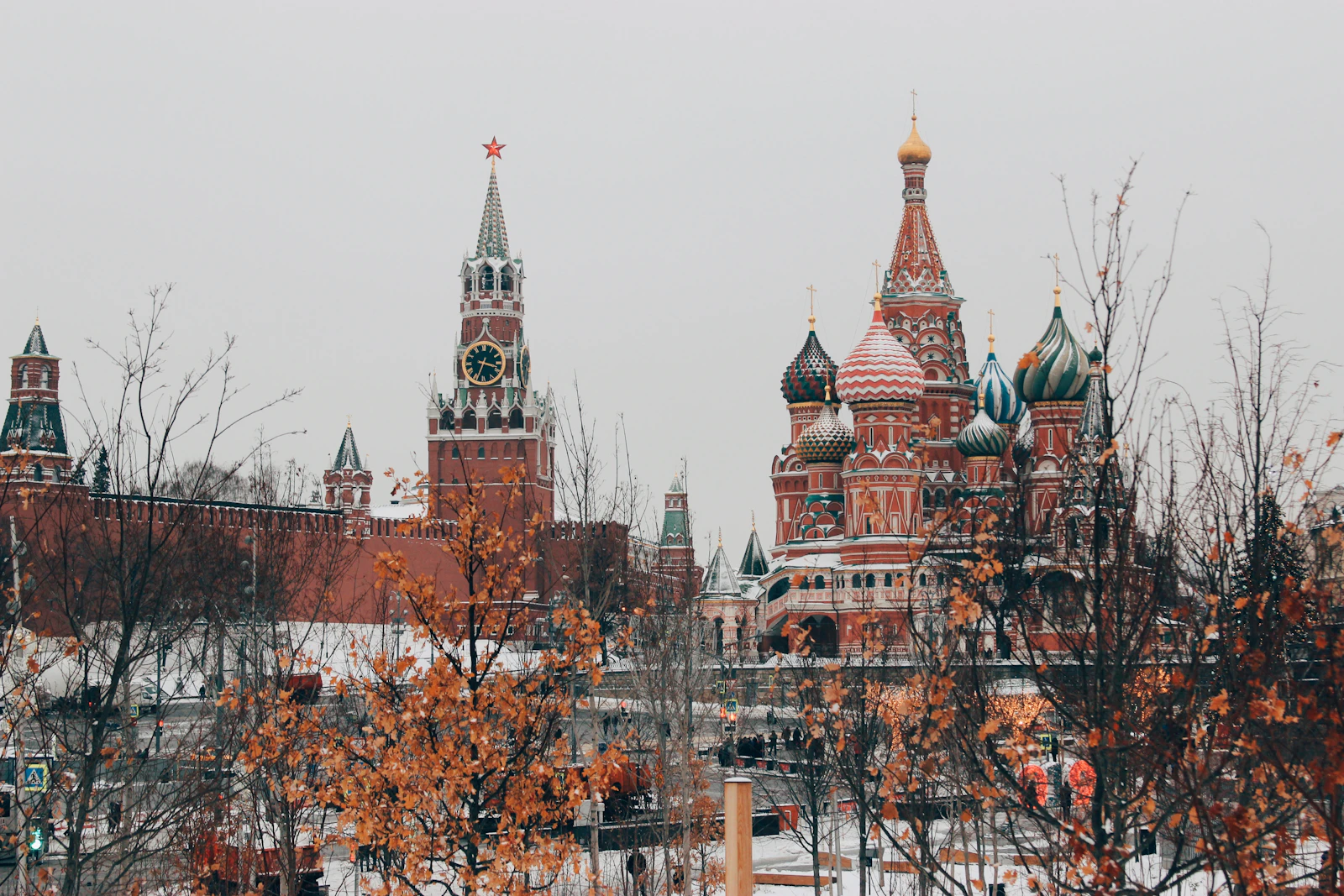
Most of what's written about Russian property abroad is bad. It's either a glossy brochure pretending the legal landscape doesn't exist, or a news clipping that pretends the country itself doesn't exist. Both are useless if you're trying to make a decision about where 350,000 dollars should live for the next decade.
So this issue of the Brief does the unglamorous thing: it walks through what an English-speaking buyer can actually do in Russia, what they can't, what it costs, and what comes next. We've kept the marketing language for the marketing people. The numbers and rules are below.
The headline claim
Anyone can buy property in Russia. There aren't any requirements to be a Russian national or to hold a Russian passport. Foreign buyers acquire residential real estate on essentially the same legal footing as Russian citizens — with three sensible exceptions we'll get to.
"Properties typically see a 10–40% rise in value, while the deed itself sits inside the simplest tax regime in the G20."
The price tag
Across the five regions we follow, entry tickets land between $330,000 and $420,000 for serious-quality 120–175 m² homes. Moscow and St. Petersburg run $3,000–$5,000 per square metre. Krasnodar (Black Sea), Primorsky Krai (Pacific) and Tatarstan (Volga, Innopolis tech corridor) sit closer to $2,000.
The three caveats
- Border zones. Properties within designated border areas may require additional permissions for foreign buyers.
- Agricultural land. Direct foreign ownership of farmland is restricted; long leases or structured ownership are the workarounds.
- Seaport zones. Strategic seaport areas are subject to enhanced review.
Outside those three categories, the foreign-buyer file looks unremarkable. That is, in 2026, a remarkable thing for it to look like.
If the only argument against Russia were the headlines, then by the same logic Singapore in 1965 was an obvious pass.
The interesting part isn't the property itself. It's what the deed does inside a wider stack: a 13% personal income tax, 15% rouble bank deposit rates, a path to residency and citizenship, and a market wired into the BRICS+ trade bloc. Read on.